Study: 72% of Germany's female soldiers faced verbal sexual harassment, and most incidents go unreported
The Bundeswehr's first survey of unreported sexual misconduct finds the true number of cases is three to six times what gets reported. Defense Minister Boris Pistorius answered with a 34-point plan, but the Greens, the Left and a CDU lawmaker want independent investigators.
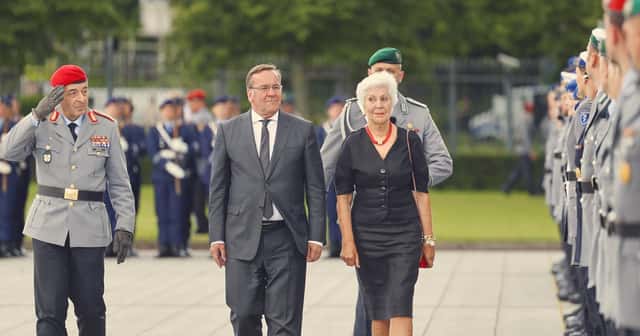
Germany's armed forces released the first survey of their own "dark field" of sexual misconduct on Wednesday, and the numbers are higher than anything the official reporting system had shown. Asked about their whole time in uniform, 72 percent of female soldiers and 31 percent of male soldiers said they had faced verbal sexual harassment at least once, according to the research report by the Bundeswehr's Center for Military History and Social Sciences (ZMSBw). Most incidents were never reported.
Defense Minister Boris Pistorius presented the findings to the Bundestag defense committee behind closed doors on Nov. 11 and then to reporters. "Es gibt null Toleranz bei sexualisiertem Fehlverhalten in der Bundeswehr. Null Toleranz ist die Linie" (There is zero tolerance for sexualized misconduct in the Bundeswehr. Zero tolerance is the line), he said, ZDF reported. He also published a 34-point action plan.
The open question is who should handle complaints. The ministry wants to rebuild trust inside the chain of command, with a new counseling office and tougher duties for commanders. The Greens and the Left want an outside office with its own power to investigate. A defense lawmaker from Pistorius's own coalition partner, the CDU, also asked for independent investigations.
What the survey found#
The study counted four kinds of misconduct. "Verbal" means unwanted sexual jokes or remarks. "Visual" means unwanted sexual images, including pictures that were made or altered without consent. "Physical" means unwanted sexual touching or attempts at it. "Sexual violence" means acts against a person's sexual self-determination, or attempts at them.
In the 12 months before the survey, the share of soldiers who said they had experienced each form was as follows, according to the full ZMSBw report (Research Report 141):
Source: ZMSBw Research Report 141, Table 1
Show the numbers
| Form | Women | Men |
|---|---|---|
| Verbal | 38% | 16% |
| Visual | 7% | 5% |
| Physical | 9% | 3% |
| Sexual violence | 2% | 2% |
Taken together, 40 percent of female soldiers and 19 percent of male soldiers reported at least one incident in that year. Over their whole careers, the shares rise sharply. Women were up to four times as likely as men to report each form, the researchers wrote.
Source: ZMSBw Research Report 141, Table 2
Show the numbers
| Form | Women | Men |
|---|---|---|
| Verbal | 72% | 31% |
| Visual | 23% | 12% |
| Physical | 39% | 10% |
| Sexual violence | 10% | 4% |
The report points to several groups at higher risk:
- Young women in the lower ranks. Among women under 25, 22 percent reported unwanted touching in the past year. Among women aged 30 to 39, the figure was 7 percent.
- Gay and bisexual men. In the past year, 7 percent of non-heterosexual male soldiers said they had suffered sexual violence, against 1 percent of heterosexual men.
- Crews at sea. Members of seagoing navy units were affected more often than the average.
Combat units showed no statistical difference from the rest of the forces. Women serving in units where more than 15 percent of the staff are women, such as the medical service, were affected less often. The researchers say this fits "token theory," the idea that small minorities in a group draw more harassment.
Those accused were almost always men. Men were responsible in at least 96 percent of incidents against women and at least 75 percent of incidents against men. Most were under 40. Senior non-commissioned officers were overrepresented. In most cases the accused was not the victim's direct superior.
Men are the largest group of victims#
One finding cuts against how the debate is often framed. Women face a much higher individual risk. But the Bundeswehr had about 186,200 soldiers in September 2026, and only about 25,500 of them, or 13.7 percent, were women. Weighting for that, the report estimates that men make up 73 percent of all those who faced verbal harassment in a year, and 81 percent of those who suffered sexual violence.
The authors write that misconduct is often treated only as a problem of integrating women into the military. The numbers, they say, show that male victims, group dynamics and rituals also need attention.
Most cases never reach the official system#
The study's title term, the "dark field," means incidents that never show up in official reports. The researchers estimate that, across all four forms, the real number is about three to six times higher than what is reported. Only about one in five cases of verbal harassment and one in six cases of visual harassment is reported. Sexual violence is reported more often by women, in about one of three cases, and by men in about one of five.
Victims gave several reasons for staying silent. Between 56 and 66 percent, depending on the form, said they did not want to draw attention. Between 36 and 61 percent feared negative consequences for themselves. Between 44 and 59 percent doubted a report would change anything. Direct pressure from comrades or superiors was the least common reason, at 3 to 7 percent. Fear of revenge from the accused person, however, was cited by 26 to 46 percent.
People interviewed for the study described the complaint process as a "machinery." Once it starts, a victim can turn from a "victim" into a "witness" and then an "applicant," and may lose control of the case. Victims and bystanders often learn little about how a case ended, so rumors fill the gap, the report says.
Men and women also judge the Bundeswehr very differently. Half of male soldiers said the armed forces do enough to fight sexual misconduct. Only 28 percent of female soldiers agreed, and among women who had been affected, just 22 percent.
Limits of the data#
The survey went to every woman in the forces and to a random sample of men of roughly the same size, about 45,000 people in all. It received 8,144 complete answers, a response rate of 18 percent: 22.8 percent among women and 12.9 percent among men. The researchers weighted the data and call it representative by key demographic traits. In a footnote, they also say their results are more likely to overstate than understate the problem. People who have been affected are more likely to take part in such surveys, and unaffected respondents dropped out more often. Respondents also reported on their own experiences; the survey does not establish what happened in any single case.
What the ministry plans#
The ministry's 34-point action plan sorts its measures into prevention, investigations and sanctions, and support for victims. The main steps, as described on the Bundeswehr's page on the plan, are:
- A counseling office called HELP. It opened on Nov. 1 at the Center for Leadership Development and Civic Education (Zentrum Innere Führung). It sits outside the normal chain of command. It is staffed from 8 a.m. to 6 p.m. for now, and a 24-hour service is planned.
- Commanders judged on how they handle cases. Statements on a leader's prevention work will become part of military performance reviews. "Wer kein Vorbild ist, Fehlverhalten sogar toleriert oder nicht konsequent aufarbeitet, wird keine Führungsfunktion mehr einnehmen" (Anyone who is not a role model, who even tolerates misconduct or does not deal with it consistently, will no longer hold a leadership post), Pistorius said, according to tagesschau.
- Outside help with investigations. Military police officers from outside the unit can be brought in. A special team of trained military disciplinary lawyers will handle sexual misconduct cases.
- More information for victims. The military disciplinary code will be changed so victims can learn about key steps in a case and how it ended. Disciplinary outcomes may also be announced to the unit.
- Training for all ranks. Handling sexual misconduct is to become a fixed part of military training, from new recruits to senior officers, Funke reported.
Service chiefs must report to the minister every six months on progress, and the survey will be repeated. The chief of defense, Gen. Carsten Breuer, said: "Die Menschen, die uns anvertraut sind, müssen sich auf unseren Schutz verlassen können. Dafür tragen wir die Verantwortung" (The people entrusted to us must be able to rely on our protection. We bear responsibility for that), according to a dpa report carried by the FAZ.
Pistorius tied the issue to combat readiness. "Wer schon in Friedenszeiten keinen Respekt vor der Kameradin oder dem Kameraden hat, wie soll der Kamerad sich dann im Ernstfall auf denjenigen verlassen können, der so mit ihm umgeht?" (If someone has no respect for a comrade even in peacetime, how is that comrade supposed to rely on him in an emergency?), he said, according to the same report. He said he had pushed ahead with the study knowing it would bring "unerfreuliche Wahrheiten" (unpleasant truths) to light. "Politik beginnt mit dem Betrachten der Wirklichkeit" (Politics begins with looking at reality), he added.
The dispute: inside the chain of command, or outside it?#
The sharpest disagreement is over where soldiers should turn.
The Greens want a reporting office outside the military with real powers. Sara Nanni, the Green group's security policy spokeswoman, called for an external office "die Ermittlungsbefugnisse hat und entsprechend auch disziplinarisch tätig werden kann" (that has investigative powers and can act on discipline accordingly). "Diese Maßnahmen sind alle gut, aber diese Maßnahmen reichen nicht aus" (These measures are all good, but they are not enough), she said, according to the dpa report. On the joint ARD and ZDF morning show she said: "Ich glaube, die wenigsten Frauen können eine Woche hinter sich lassen, ohne einen Spruch zu bekommen" (I believe very few women can get through a week without getting a remark). The Greens are in opposition in the Bundestag.
The Left makes a similar case. Zada Salihovic, a Left party lawmaker, said the new hotline is "ein Schritt in die richtige Richtung" (a step in the right direction) but "kann eine unabhängige externe Meldestelle mit Ermittlungsbefugnissen und speziell geschultem Personal aber nicht ersetzen" (cannot replace an independent external reporting office with investigative powers and specially trained staff), tagesschau reported, based on research by WDR, NDR and Süddeutsche Zeitung.
Some in the governing coalition also want more independence. Vivian Tauschwitz, a defense lawmaker for the CDU who served in the Bundeswehr, called for an independent investigation unit, according to the same tagesschau report. Trust, she said, grows "dort, wo Meldungen ernst genommen, Vorwürfe unabhängig geklärt und Betroffene geschützt werden" (where reports are taken seriously, allegations are independently cleared up and victims are protected). The ministry, she added, should be judged by whether its steps change daily life, not by how many there are.
The ministry's answer is that HELP already sits outside the chain of command and that commanders must be part of the fix, because they carry legal duties to investigate and to pass suspected crimes to prosecutors. Inside the Bundeswehr, some fear that an outside office could weaken commanders' authority and military order, Funke Mediengruppe reported, without naming those who hold that view.
The parliamentary commissioner for the armed forces, Henning Otte (CDU), pointed to an office that already exists: his own. Soldiers can contact the commissioner directly, and can do so anonymously, according to the dpa report. Otte said the study must be turned into "gelebte Führungskultur" (a lived culture of leadership). "Es ist deutlich geworden, dass es ein fehlendes Vertrauen gibt in die Strukturen der Bundeswehr" (It has become clear that there is a lack of trust in the structures of the Bundeswehr), he said after the committee meeting, according to dpa. He also told the ARD capital studio that a 24-hour hotline was important so that both victims and superiors could act quickly, tagesschau reported.
None of the reports reviewed for this article carried a reaction from the Alternative for Germany (AfD), the largest opposition party in the Bundestag.
Why it matters now#
The study lands as the government tries to grow the armed forces. Germany is rebuilding its reserve, and a recent Bundestag hearing looked at a plan to call former soldiers back into the reserve. A force that needs recruits, and wants more women among them, now has official data showing that many soldiers do not trust its complaint system.
Nanni said she did not expect the findings to put women off. "Ich glaube, dass es jetzt gerade eher attraktiver wird, weil die Frauen sehen, dass sich darum gekümmert wird" (I think it is becoming more attractive right now, because women see that something is being done about it), she told ZDF. Otte said his message to female applicants was that they should join "um die Kultur zu stärken" (to strengthen the culture).
The study was first pushed by Otte's predecessor, Eva Högl of the SPD. The ministry commissioned it on Sept. 30, 2025. Recent cases have kept the issue in the news. Cases of sexualized violence, bullying and degrading treatment at the Bundeswehr barracks in Zweibrücken were among the triggers for the study, SWR reported. More recently, media reports on members of the Medical Regiment 1 in Weißenfels have described alleged drug dealing, threats and sexual misconduct by superiors. The Bundeswehr says the claims there concern 10 people and that five cases have gone to prosecutors, according to ZDF. These remain allegations under investigation.
What to watch#
- The six-month reports. The first progress report to the minister is due in roughly half a year.
- The disciplinary code. Giving victims the right to learn the outcome of their cases requires a change to the military disciplinary code, which goes through the Bundestag.
- An outside office. Whether the coalition moves toward an external body with investigative powers, as the Greens, the Left and Tauschwitz want, or keeps the HELP model.
- The next survey. The ministry says the study will be repeated, which would show for the first time whether the numbers move.
Differing perspectives
Who should handle sexual misconduct complaints in Germany's armed forces?
Each position is summarized as its supporters make it, with equal weight and in alphabetical order. A summary is not an endorsement; the evidence for each is weighed in the story above.
Create an external office with investigative powers
Who holds it: The Greens, including security policy spokeswoman Sara Nanni, and the Left
The survey shows most victims stay silent, often because they do not trust the reporting system or fear the consequences. A counseling hotline is a useful step, but it cannot replace a body outside the military hierarchy that can investigate on its own and take disciplinary action. Victims should not have to go through their own superiors to be heard. The ministry's measures are good, supporters say, but they are not enough to rebuild trust.
In their words: Frankfurter Allgemeine Zeitung (dpa) ↗
Fix it inside the forces, with commanders accountable
Who holds it: Defense Minister Boris Pistorius (SPD), the Defense Ministry and the Bundeswehr leadership
Superiors have legal duties to investigate, impose discipline and pass suspected crimes to prosecutors, so they must be part of the solution. The 34-point plan adds a HELP counseling office outside the chain of command, military police investigators from outside the unit and a specialized team of disciplinary lawyers. Victims gain more rights to learn how cases end. Leaders will be assessed on prevention, and those who tolerate misconduct will lose leadership posts. Six-monthly reports and a repeat survey will track progress.
In their words: Bundeswehr ↗
Set up independent investigations and judge by results
Who holds it: CDU defense lawmaker Vivian Tauschwitz, a former soldier
Trust does not come from orders of the day or press conferences. It grows where reports are taken seriously, allegations are cleared up independently and victims are protected. An independent investigation unit would help build that trust. The Defense Ministry should be judged not by the number of new measures it announces, but by whether those measures actually change everyday life for soldiers in the units.
In their words: tagesschau (NDR, WDR) ↗
Turn the findings into a lived culture of leadership
Who holds it: Henning Otte (CDU), the Bundestag's commissioner for the armed forces
The study must be accepted by the ministry and turned into leadership culture in practice. It shows a lack of trust in the Bundeswehr's structures, and the ministry must now fix those gaps, improve structures and strengthen leadership culture. Soldiers can be assured that no one can look away anymore. A 24-hour hotline matters so that both victims and superiors can act quickly. Women should join the forces to help strengthen the culture.
In their words: tagesschau (ARD) ↗
Cite this article
567 Politics staff. “Study: 72% of Germany's female soldiers faced verbal sexual harassment, and most incidents go unreported.” 567politics. Published 2026-11-11. https://567politics.com/news/germany-bundeswehr-sexual-misconduct-study-pistorius-action-plan-november-2026
Wikipedia citation
{{cite news |title=Study: 72% of Germany's female soldiers faced verbal sexual harassment, and most incidents go unreported |url=https://567politics.com/news/germany-bundeswehr-sexual-misconduct-study-pistorius-action-plan-november-2026 |work=567politics |author=567 Politics staff |date=2026-11-11 |language=en}}CSL-JSON for reference managers
{
  "id": "https://567politics.com/news/germany-bundeswehr-sexual-misconduct-study-pistorius-action-plan-november-2026",
  "type": "article-newspaper",
  "title": "Study: 72% of Germany's female soldiers faced verbal sexual harassment, and most incidents go unreported",
  "URL": "https://567politics.com/news/germany-bundeswehr-sexual-misconduct-study-pistorius-action-plan-november-2026",
  "container-title": "567politics",
  "language": "en",
  "author": [
    {
      "literal": "567 Politics staff"
    }
  ],
  "issued": {
    "date-parts": [
      [
        2026,
        11,
        11
      ]
    ]
  }
}Citations identify this article and its publication date. Assess the reporting and its linked sources before using it as evidence.
Read this article as Markdown or JSON. Cite the original page and retain its sources, dates and qualifications.
Embed this article summary
Paste this HTML into your page. The summary stays linked to the full story and updates with it. No account required.
<iframe src="https://567politics.com/embed/news/germany-bundeswehr-sexual-misconduct-study-pistorius-action-plan-november-2026?theme=auto" title="Study: 72% of Germany's female soldiers faced verbal sexual harassment, and most incidents go unreported by 567politics" width="100%" height="440" style="border:0;max-width:100%" loading="lazy"></iframe>
<p style="font-size:14px">Study: 72% of Germany's female soldiers faced verbal sexual harassment, and most incidents go unreported by <a href="https://567politics.com/news/germany-bundeswehr-sexual-misconduct-study-pistorius-action-plan-november-2026" rel="nofollow">567politics</a></p>
<script async src="https://567politics.com/embed.js"></script>
READ BEYOND 567POLITICS
Alternate sources & perspectives
Independent coverage and primary evidence to help you compare arguments. A link is not an endorsement; perspective labels describe the linked material.
- primary evidence
Sexualized misconduct in the armed forces: dark-field study (Research Report 141) ↗
Bundeswehr Center for Military History and Social Sciences (ZMSBw)
The full study: survey of about 45,000 soldiers (8,144 complete answers), 60-plus interviews, prevalence and reporting rates, and the authors' caveats.
- primary evidence
Action plan against sexualized misconduct (34 measures) ↗
Federal Ministry of Defense / Bundeswehr
The ministry's full list of measures on prevention, investigations and sanctions, and victim support.
- primary evidence
Results and measures of the dark-field study ↗
Bundeswehr
The Bundeswehr's summary of the findings and of the HELP office, performance reviews and outside investigators.
- independent analysis
Pistorius insists on 'zero tolerance' toward sexualized misconduct in the Bundeswehr ↗
tagesschau (ARD)
Report on Pistorius's presentation, with reactions from the Greens and armed forces commissioner Henning Otte.
- independent analysis
Dark-field study in the Bundeswehr: many cases of sexualized misconduct ↗
tagesschau (NDR, WDR)
Investigative report with case background and statements from Left lawmaker Zada Salihovic and CDU lawmaker Vivian Tauschwitz.
- left argument
Study: 72 percent of female soldiers report harassment (dpa) ↗
Frankfurter Allgemeine Zeitung (dpa)
Wire report with Green spokeswoman Sara Nanni's case for an external office with investigative powers, plus quotes from Pistorius, Breuer and Otte.
- independent analysis
Bundeswehr study reveals extent of sexual assaults ↗
ZDFheute
Public broadcaster's summary of the figures, Nanni's morning-show interview and background on the Weissenfels allegations.
- other perspective
Boris Pistorius under pressure: study reveals sexual harassment in the Bundeswehr ↗
Hamburger Abendblatt (Funke Mediengruppe)
Reports concern inside the Bundeswehr that an outside office could weaken commanders' authority, and the recruiting context.
- independent analysis
Bundeswehr presents dark-field study on sexual misconduct ↗
SWR Aktuell
Regional broadcaster that reported on the Zweibrücken barracks cases, which helped trigger the study.
Reviewed 2026-11-11. Built from pages opened in full on Nov. 11, 2026: the ZMSBw research report and its landing page, the ministry's action plan PDF and Bundeswehr summary page, and German broadcast, wire and newspaper reports on the presentation. The automated discovery search returned only generic Bundeswehr pages. No statement from the AfD on the study was found in the coverage reviewed, so no right-of-center opposition view is listed; the coalition view is represented by the ministry, CDU lawmaker Vivian Tauschwitz (via tagesschau) and commissioner Henning Otte. Several outlets reuse the same dpa wire copy, so only one dpa version is listed. stern.de blocked access and Spiegel coverage was paywalled. Titles are translated from German.