Germany's Hubig drafts a cap on ticket resale: 20% or €20 over face value, whichever is lower
The justice minister wants the law in force before next summer. Promoters want takedown duties too; Viagogo tells lawmakers it backs a free secondary market.
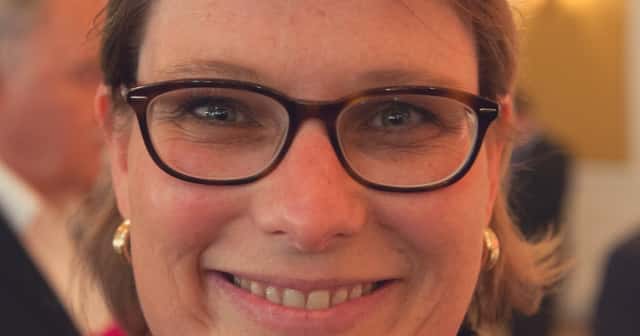
Germany's justice and consumer protection minister, Stefanie Hubig, wants to cap what resellers can charge for concert and sports tickets. Under her draft "Ticketschutzgesetz" (ticket protection law), a resold ticket could cost at most 20 percent or 20 euros more than its original price, whichever is lower. "Wir brauchen eine klare Preisgrenze für den Weiterverkauf" (We need a clear price limit for resale), she said in a statement published by her ministry on Tuesday.
The draft is finished and is now being negotiated within the federal government, Hubig said. Her aim is for the law to take effect "noch vor dem nächsten Sport- und Konzertsommer" (before next summer's sports and concert season). She first described the plan in an interview with the Neue Osnabrücker Zeitung.
Concert promoters and consumer advocates welcomed the cap but said it will only work if platforms are forced to enforce it. The resale platform Viagogo has told lawmakers it wants a "free and independent secondary market." The question now is whether the coalition of the CDU/CSU and the SPD can agree on the text in time.
What the draft would change#
The core of the plan is the price cap. For a ticket with a face value of 50 euros, 20 percent is 10 euros, so the resale limit would be 60 euros. For a 268.75-euro ticket, 20 percent would be 53.75 euros, so the 20-euro limit applies instead and the most a reseller could ask is 288.75 euros. In practice, the 20-euro limit governs every ticket priced above 100 euros.
Hubig, a member of the SPD, framed the cap in plain terms. "Das ist fair, verständlich und leicht zu kontrollieren" (That is fair, understandable and easy to monitor), she said in the ministry statement. "Andere Länder haben längst Gesetze gegen die Abzocke auf dem Ticketzweitmarkt. Es ist höchste Zeit, dass wir nachziehen" (Other countries have long had laws against rip-offs on the secondary ticket market. It is high time we caught up). She added that the law would also be "a concrete contribution to making life more affordable."
People close to the justice ministry described other parts of the draft to BR24, the news service of Bavarian public broadcaster BR:
- Buyers who pay more than the cap would have a claim to get the difference back from the seller. Sellers would therefore always have to show the original price.
- A new category of "geschützte Tickets" (protected tickets) would let organizers set binding conditions on where tickets can be resold and at what price. Buyers would then know in advance how they could resell, for example if illness kept them from attending.
- So-called short sales, where sellers list tickets they do not yet own, often before official sales begin, would be allowed only if the organizer permits them.
The cap would apply to all resales, not only to online exchanges, the justice ministry told WDR, the public broadcaster for North Rhine-Westphalia. A fan who sells a ticket privately through classified ads, or as a paper ticket, would also have to respect the limit. The ministry has not yet said how that would be checked, WDR reported.
The draft has not been published. Its final wording could still change as other ministries weigh in, and it would then need the approval of the cabinet and the Bundestag.
The Oasis example#
Promoters point to the recent sale of tickets for Oasis's three Munich shows in July 2027 to show the size of the markups. The concerts at the Allianz Arena sold out within a few days. Regular tickets cost at most 268.75 euros in the official sale, according to the concert industry association BDKV, as reported by BR24. Even while the official sale was running, the BDKV said, tickets appeared on Viagogo for 1,832 euros, nearly seven times as much.
Source: BDKV figures and justice ministry plan, via BR24
Show the numbers
| Price | Euros |
|---|---|
| Official face value | €268.75 |
| Limit under the draft | €288.75 |
| Listing on Viagogo | €1,832 |
Under the draft, the Viagogo price in that example would be unlawful. The BDKV's Johannes Everke told the trade publication MusikWoche that tickets on Viagogo are offered for "up to 16 times" their original price.
The organizers of the Oasis shows had used a lottery, emailed ticket codes, a price limit and a list of authorized resale outlets, BR24 reported. Irregular and partly fraudulent offers still appeared on Viagogo as soon as sales began, according to the BDKV.
Support from promoters and consumer groups, with conditions#
The BDKV welcomed the plan. "Wir begrüßen den Vorstoß von Bundesjustizministerin Hubig ausdrücklich. Eine gesetzliche Preisobergrenze ist längst überfällig" (We expressly welcome Justice Minister Hubig's initiative. A legal price cap is long overdue), Everke said, according to MusikWoche. He said the law must also stop fraudulent practices on such platforms. That requires, besides price caps, "klare Transparenzpflichten, eine eindeutige Identifizierung der Verkäufer und verbindliche Verfahren, um irreführende oder unzulässige Angebote schnell zu entfernen" (clear transparency duties, clear identification of sellers and binding procedures to remove misleading or illegal offers quickly).
The BDKV wants a "notice and takedown" process, Everke told BR24. Platforms like Viagogo would have to give organizers a contact for reporting fraudulent offers and would have to take those offers down within 30 minutes. The association estimates that about 30 percent of ticket buyers have already come across fraudulent offers. It also estimates that more than 70 percent of ticket resales are commercial, BR24 reported.
The Bavarian consumer advice center called regulation "überfällig" (overdue), BR24 reported. It said socially fair prices are being destroyed on the secondary market and tickets are sold for events that do not yet exist. But it said lasting protection depends on effective enforcement as well as a price ceiling.
Artists have pushed for a law for months. In an open letter in May 2026, bands including Die Toten Hosen, Die Ärzte, Kraftklub and AnnenMayKantereit, along with promoters and music associations, asked the government to act. "Konzerttickets sind keine Spekulationsobjekte" (Concert tickets are not objects of speculation), the letter said. It asked for six things:
- a right for organizers to decide where tickets may be resold;
- a cap of 25 percent on commercial resale;
- a ban on short sales;
- a ban on bots and fake identities;
- full transparency duties;
- a reporting system with liability for platforms.
Hubig's cap is tighter than the 25 percent the letter asked for. Other demands, such as a ban on bots, have not been confirmed as part of the draft.
Some experts say bots matter most. Sebastian Späth, a digital markets researcher at the University of Hamburg, told the public radio station SWR3 that action is needed above all against automated buying programs. SWR3 cited studies saying that bots buy 40 to 60 percent of tickets. The United States already bans such bots under its Better Online Ticket Sales Act.
Viagogo's position#
Viagogo has long rejected criticism of high prices by saying it does not sell tickets itself but only runs a marketplace, WDR reported. The company charges fees to both sellers and buyers.
In its entry in the Bundestag's lobby register, filed under the topic "Online-Ticketbörsen," Viagogo says it supports "fair and balanced regulation of the ticket market." It says it wants to "critically question the dominant position in the primary market" to prevent anticompetitive behavior and strengthen consumer rights. It names as especially important more transparency and working competition in the primary market and "the protection of a free and independent secondary market." Such a market, it says, lets consumers resell or transfer their tickets flexibly.
The artists' letter takes the opposite view of the platforms. It says several courts, most recently regional courts in Hamburg and Berlin, have found that platforms like Viagogo misled fans about whether tickets were valid. Viagogo had not commented publicly on Hubig's draft in the coverage reviewed for this article.
How other countries regulate resale#
Germany would join several countries that already limit ticket resale. France has restricted commercial resale for many years, WDR reported. The United Kingdom requires sellers to show the original price, the seat number and the seller's identity. Belgium and Italy have similar rules. In those countries, organizers can name the platforms where tickets may be resold, and illegal offers can be removed on notice, according to the artists' letter.
Some platforms already cap prices voluntarily. TicketSwap, for example, says tickets on its site cannot be sold for more than 120 percent of their original price, WDR reported.
Coalition politics and the timetable#
Hubig had already said in May that she wanted to act, WDR reported. The open letter noted that the coalition agreement between the CDU/CSU and the SPD promises to regulate the secondary ticket market more strictly. It quoted the agreement as saying the government wants to protect consumers "vor überhöhten Preisen, Intransparenz und betrügerischen Verkaufspraktiken" (from excessive prices, lack of transparency and fraudulent sales practices).
The draft must now pass the government's internal review. If ministries agree, it would go to the cabinet and then to the Bundestag and the Bundesrat. Hubig's target of next summer leaves about six months for that process.
Hubig has several other bills in progress. This month she also proposed making verbal sexual harassment a crime, and she has backed a review of a possible AfD ban. More on her record is on Stefanie Hubig's profile page. Her party governs in Berlin with the CDU and its Bavarian sister party, the CSU.
- May 2026Artists, promoters and music groups send an open letter asking for a ticket protection law
- May 2026Hubig says she wants to act against resale markups
- Nov. 10, 2026Hubig says the draft is finished, with a cap of 20 percent or 20 euros
- Summer 2027Hubig's target for the law to be in force
- July 2027Oasis plays three sold-out shows in Munich
Sources were reviewed on Nov. 10, 2026. German quotations were translated by 567 Politics staff.
Differing perspectives
How should Germany regulate the resale of concert and sports tickets?
Each position is summarized as its supporters make it, with equal weight and in alphabetical order. A summary is not an endorsement; the evidence for each is weighed in the story above.
Add organizer control, bot bans and takedowns
Who holds it: Artists including Die Toten Hosen and Kraftklub, promoters, the concert industry association BDKV and music groups
The signers argue that a cap alone will not stop commercial resellers who use bots, fake identities and short sales of tickets they do not own. They want organizers to decide where tickets may be resold, a ban on bots and false identities, full transparency on who is selling, and a duty for platforms to remove illegal offers promptly after notice, with penalties for delays. Without enforcement, they say, fans will keep paying inflated prices for invalid tickets.
In their words: Open letter on the secondary ticket market (Pro Musik and signers) ↗
Cap markups at 20 percent or 20 euros
Who holds it: Justice and Consumer Protection Minister Stefanie Hubig (SPD) and her ministry
Hubig argues that dealers buy up tickets to resell them with huge markups, which hurts clubs, organizers and artists who keep some tickets cheap for people with small budgets. She says this turns tickets into objects of speculation. A clear limit of at most 20 euros and 20 percent over the original price is fair, easy to understand and easy to monitor, she says, and other countries have long had such laws.
In their words: Federal Ministry of Justice and Consumer Protection ↗
Protect a free secondary market
Who holds it: Viagogo (VGL Support Services Ireland Limited)
Viagogo says it supports fair and balanced regulation of the ticket market. It wants lawmakers to critically examine what it calls the dominant position in the primary market, to prevent anticompetitive behavior and strengthen consumer rights. It names more transparency and working competition in primary ticket sales as especially important, along with protection of a free and independent secondary market. That market, it says, lets consumers resell or transfer their tickets flexibly.
In their words: Lobbyregister beim Deutschen Bundestag (Viagogo entry) ↗
Cite this article
567 Politics staff. “Germany's Hubig drafts a cap on ticket resale: 20% or €20 over face value, whichever is lower.” 567politics. Published 2026-11-11. https://567politics.com/news/germany-hubig-ticket-resale-price-cap-ticketschutzgesetz-viagogo-november-2026
Wikipedia citation
{{cite news |title=Germany's Hubig drafts a cap on ticket resale: 20% or €20 over face value, whichever is lower |url=https://567politics.com/news/germany-hubig-ticket-resale-price-cap-ticketschutzgesetz-viagogo-november-2026 |work=567politics |author=567 Politics staff |date=2026-11-11 |language=en}}CSL-JSON for reference managers
{
  "id": "https://567politics.com/news/germany-hubig-ticket-resale-price-cap-ticketschutzgesetz-viagogo-november-2026",
  "type": "article-newspaper",
  "title": "Germany's Hubig drafts a cap on ticket resale: 20% or €20 over face value, whichever is lower",
  "URL": "https://567politics.com/news/germany-hubig-ticket-resale-price-cap-ticketschutzgesetz-viagogo-november-2026",
  "container-title": "567politics",
  "language": "en",
  "author": [
    {
      "literal": "567 Politics staff"
    }
  ],
  "issued": {
    "date-parts": [
      [
        2026,
        11,
        11
      ]
    ]
  }
}Citations identify this article and its publication date. Assess the reporting and its linked sources before using it as evidence.
Read this article as Markdown or JSON. Cite the original page and retain its sources, dates and qualifications.
Embed this article summary
Paste this HTML into your page. The summary stays linked to the full story and updates with it. No account required.
<iframe src="https://567politics.com/embed/news/germany-hubig-ticket-resale-price-cap-ticketschutzgesetz-viagogo-november-2026?theme=auto" title="Germany's Hubig drafts a cap on ticket resale: 20% or €20 over face value, whichever is lower by 567politics" width="100%" height="440" style="border:0;max-width:100%" loading="lazy"></iframe>
<p style="font-size:14px">Germany's Hubig drafts a cap on ticket resale: 20% or €20 over face value, whichever is lower by <a href="https://567politics.com/news/germany-hubig-ticket-resale-price-cap-ticketschutzgesetz-viagogo-november-2026" rel="nofollow">567politics</a></p>
<script async src="https://567politics.com/embed.js"></script>
READ BEYOND 567POLITICS
Alternate sources & perspectives
Independent coverage and primary evidence to help you compare arguments. A link is not an endorsement; perspective labels describe the linked material.
- primary evidence
Minister Hubig on the draft ticket protection law ↗
Federal Ministry of Justice and Consumer Protection
The minister's full statement on the 20 percent or 20 euro cap and her timetable.
- primary evidence
Open letter: against usury and fraud, regulate the secondary ticket market now ↗
Pro Musik and signers
May 2026 letter from artists, promoters and associations with six demands, including a 25 percent cap and a bot ban.
- primary evidence
Regulatory project 'Online ticket exchanges' (Viagogo) ↗
Lobbyregister beim Deutschen Bundestag
Viagogo's stated lobbying aims, including protection of a free and independent secondary market.
- independent analysis
'That is a rip-off': Justice Minister Hubig calls for a price cap for ticket exchanges ↗
Neue Osnabrücker Zeitung
The interview in which Hubig first described the draft.
- independent analysis
End of the rip-off? Ticket protection law before summer 2027 ↗
BR24
Oasis price example, other draft provisions, and reactions from the BDKV and the Bavarian consumer advice center.
- independent analysis
Secondary ticket market: a price cap against rip-offs? ↗
WDR
Ministry says the cap covers private sellers too; Viagogo's past response; rules in other countries.
- other perspective
Justice Minister Hubig wants a 20-euro price cap for secondary-market tickets ↗
MusikWoche
Music trade outlet with the BDKV's full statement backing the cap and calling for enforcement.
- independent analysis
How rip-offs in ticket resale are to be stopped ↗
SWR3
Digital markets researcher Sebastian Späth on the case for a bot ban.
- independent analysis
Law against excessive prices: cap for ticket exchanges in planning ↗
tagesschau.de
ARD summary of the minister's plan.
Reviewed 2026-11-10. Built from pages opened in full on Nov. 10, 2026: the justice ministry's statement, the May 2026 artists' open letter, Viagogo's Bundestag lobby register entry and German public broadcaster and trade reporting. The draft law itself has not been published, so details beyond the cap come from ministry sources quoted by BR24 and WDR. The automated discovery search returned only unrelated pages; no Nov. 10 comment from Viagogo was found.