Lower House committee begins review of bill cutting 31 proportional seats
The submitted text would cut the House from 465 seats to 434, all in the proportional tier, and merge the Chugoku and Shikoku blocks.
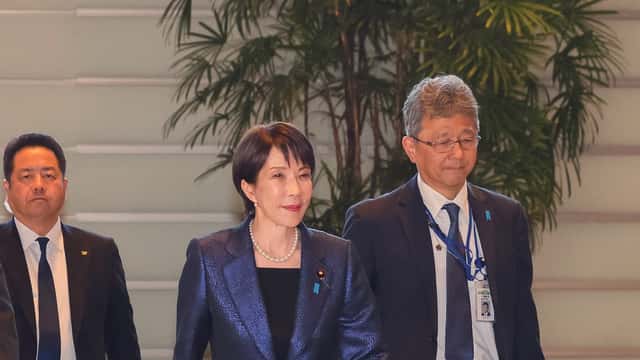
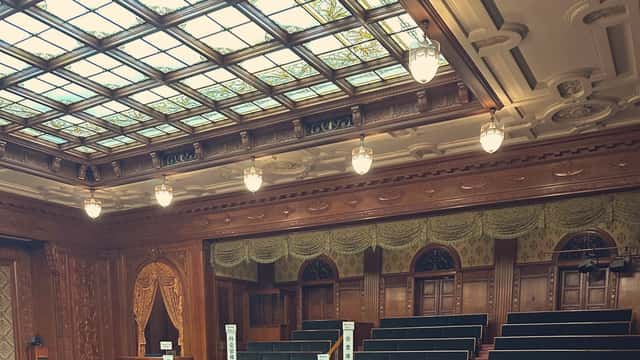
A bill that would cut the number of proportional-representation seats in Japan's House of Representatives from 176 to 145 began deliberation on November 17 in the chamber's Special Committee on Political Reform. Jiji Press and Sankei Shimbun reported that the Liberal Democratic Party (LDP), Japan Innovation Party (Ishin) and Democratic Party for the People (DPFP), which submitted it jointly, explained its purpose to the committee that afternoon.
The bill text itself is now on the House record, and this article checks the press accounts against that text. The formal title is the bill to amend the Public Offices Election Act and other laws in order to review the current Lower House electoral system. According to the House of Representatives bill record, it is a member's bill, submitted by Katsunobu Kato of the LDP and 11 others from the LDP, Ishin and DPFP groups. The House received it on November 12 (Reiwa 8) and referred it to the special committee on November 16. Committee review had not finished as of the record opened for this article.
Sankei reported that Kato told the committee: "現行制度の見直しについて3党合意に基づき提出した。速やかに可決をお願いしたい" — we submitted it on the basis of a three-party agreement on a review of the current system; we ask that it be passed swiftly.
What the submitted bill actually does#
The operative text amends Article 4 of the Public Offices Election Act so that the House would have 434 members instead of 465, and 145 proportional seats instead of 176. Only the proportional tier is cut. The 31-seat reduction is therefore a cut in the party-list side of Japan's mixed system, not in the single-member districts.
The official outline and the bill's Schedule 2 set out the new block totals. Hokkaido would go from 8 seats to 6, Tohoku from 12 to 10, North Kanto from 19 to 16, South Kanto from 23 to 19, Tokyo from 19 to 16, Hokuriku-Shinetsu from 10 to 8, Tokai from 21 to 17, Kinki from 28 to 23, and Kyushu from 20 to 17. The Chugoku block (10) and the Shikoku block (6) would be merged into a single Chugoku-Shikoku block with 13 seats, leaving 10 blocks instead of 11. Each existing block loses between two and five seats, as Jiji also reported.
Source: Bill text, House of Representatives, member's bill 222-3
Show the numbers
| Block | Current seats | Seats in the bill |
|---|---|---|
| Hokkaido | 8 | 6 |
| Tohoku | 12 | 10 |
| North Kanto | 19 | 16 |
| South Kanto | 23 | 19 |
| Tokyo | 19 | 16 |
| Hokuriku-Shinetsu | 10 | 8 |
| Tokai | 21 | 17 |
| Kinki | 28 | 23 |
| Chugoku | 10 | – |
| Shikoku | 6 | – |
| Chugoku-Shikoku | – | 13 |
| Kyushu | 20 | 17 |
Jiji said the three parties set the size of the cut from population projections for 2030 compared with 2015. That rationale is Jiji's account of the sponsors' explanation; it does not appear as a formula in the enacting sentences of the bill text opened here. The bill's own purpose clause says the changes are an interim "review of the current system" until a conclusion is reached on a more fundamental reform, following an October 5, 2026, report from the House electoral-system council to the speaker.
The bill would also change how proportional seats are allocated. Article 2 replaces the current D'Hondt method, which divides each party's votes by the integers 1, 2, 3 and so on, with a modified Sainte-Laguë method. The submitted text uses a first divisor of 1.4, then the odd numbers from 3 upward. Jiji says the new method is regarded as favoring small and mid-sized parties. The bill itself does not use that phrase; it only changes the formula.
A candidate who loses a single-member district could win a proportional seat only with at least one-sixth of the valid votes, the official outline says, up from the current threshold needed to avoid forfeiting the election deposit. Jiji describes that current threshold as one-tenth. The outline also changes the treatment of a party list that has fewer names than the seats it has won: the shortfall would remain vacant, rather than being passed to the next party. The deposit-refund formula for the proportional tier would change the multiplier in Article 94 from 2 to 2.5. Jiji says that means a change from twice ¥6 million times the number of proportional winners to 2.5 times that amount. The bill text confirms the 2-to-2.5 change; the ¥6 million base is Jiji's description of the current law.
Article 3 states a policy of allowing two or more parties to file a joint proportional list, but leaves the design to later legislation, to be enacted on the same day as a separate law redrawing single-member districts on the basis of the 2025 census. The main seat-cut provisions would take effect on a date set by a separate law, intended to coincide with that redistricting law, and would first apply at the first general election called after that date.
Supporters, opponents, and the votes the bill still needs#
Jiji reported that the LDP and Ishin aim to pass the bill through the Lower House within November. Sankei reported that the three parties together hold majorities in both houses, but that opposition from parties other than the DPFP could slow the committee. An Ishin mid-level lawmaker, Sankei said, suggested that if the bill stalls the party could go back to an earlier 45-seat cut. That is a political warning, not a second bill on the floor.
Ishin leader Hirofumi Yoshimura, the Osaka governor, told reporters at the prefectural office: "いよいよ動き出す。大きな前進だ" — it is finally moving; it is a big step forward, Sankei reported. Ishin had originally pushed a cut of about one-tenth of the 465-seat House, or 45 seats, and had submitted such a bill in the previous special session. Sankei said the parties settled on 31 in this session to win the DPFP's agreement.
DPFP policy chief Makoto Hamaguchi, speaking on a Fuji TV YouTube program, called the cut "ワンショットだ," a one-shot measure, and said "31削減をやったら終わり," once the 31-seat cut is done, that is the end, FNN reported. He said the electoral system itself should then be debated with input from experts. FNN noted that some in Ishin want further cuts even after 31. Those are competing views inside the bloc that submitted the bill.
Takayuki Ochiai, policy chief of the Democratic Reform Association, told reporters that cutting proportional seats would make it harder for a broad range of views to be reflected. He said: "圧倒的多数を使って、自分たちに都合のいい制度改革をするのは、憲政史上でも異常なことだ" — using an overwhelming majority to make institutional reforms that suit themselves is abnormal even in the history of constitutional government, according to Sankei. He said he would judge when to hold a committee vote "審議の経過の中身をみた上で," after seeing the substance of the deliberations. Komeito secretary-general Makoto Nishida said: "なぜ定数を削減し、比例だけ31なのか。根拠が判然としない" — why cut seats, and why 31 from the proportional tier alone? The basis is unclear. Japanese Communist Party secretary-general Akira Koike called the bill "政治とカネの問題を隠す代物だ," something to hide the problem of politics and money, and said political-finance regulation should come before seat cuts, Sankei reported.
Source: Senkyo.com-JX release via Jiji/PR TIMES
Show the numbers
| Response | Phone | Internet |
|---|---|---|
| In favor | 36.2% | 19.8% |
| Somewhat in favor | 17.8% | 25.9% |
| Neither | 19.3% | 37.2% |
| Somewhat opposed | 8.6% | 7.6% |
| Opposed | 18% | 9.5% |
A Senkyo.com-JX Tsushinsha survey conducted on November 14-15 asked about the 31-seat plan. Combined "in favor" and "somewhat in favor" came to 54.0% by phone and 45.7% online. Combined opposition was 26.6% by phone and 17.1% online. The same survey put cabinet approval of the Takaichi government at 46.0% by phone and 33.4% online, figures that can be read against the weekend polls already reported.
The bill is still at the first step of committee review. It has not been passed by either house. The three submitting parties can, if Sankei's count of their combined seats is right, outvote the rest, but the committee timetable is not yet fixed. Other fights in the same Diet, including the food consumption-tax cut now before the Upper House and the discipline of LDP members who skipped that vote, are running at the same time. Whether the seat-cut bill moves in November will depend on how those arguments interact, and on how much time the committee is given.
Those two fights are not part of the bill text, but they are part of the calendar in which the special committee now has to work.
The bill is a member's bill, not a Cabinet bill. Kato is the first named sponsor. Eleven other lawmakers from the three parties signed it with him. The House received it on November 12 and sent it to the special committee on November 16. Deliberation began on November 17. The enacting sentences cut only the proportional tier. The 289 single-member districts are not reduced in this text. The Chugoku and Shikoku blocks would be merged. That would leave 10 proportional blocks instead of 11. The modified Sainte-Laguë formula starts with a first divisor of 1.4. The later divisors are the odd numbers from 3 upward. Jiji said the method is seen as helping smaller parties. The bill text itself does not use that phrase. The main provisions would first apply at the first general election after a later effective-date law, intended to coincide with the 2025-census redistricting law.
The special committee had not finished its review as of the House record opened for this article. The bill has not been put to a plenary vote in either house. Kato asked for swift passage. Opposition parties asked why the cut falls only on the proportional tier. Those questions remain before the committee.
Differing perspectives
Should the Diet pass the bill cutting 31 Lower House proportional seats?
Each position is summarized as its supporters make it, with equal weight and in alphabetical order. A summary is not an endorsement; the evidence for each is weighed in the story above.
Pass the 31-seat cut quickly
Who holds it: The bill's sponsors in the Liberal Democratic Party, Japan Innovation Party and Democratic Party for the People, including Katsunobu Kato and Hirofumi Yoshimura
The sponsors say the bill carries out a three-party agreement to review the current system and should be passed swiftly. Kato told the special committee that the parties had submitted it on that basis and asked for prompt approval. Yoshimura called the start of deliberations a big step forward. Democratic Party for the People policy chief Makoto Hamaguchi has described the 31-seat cut as a one-shot measure, after which the electoral system itself should be debated with expert input. The three parties together can, if their combined seats hold, outvote the rest in both houses.
In their words: Jiji Press ↗
Reject a cut that falls only on proportional seats
Who holds it: Opposition figures including Democratic Reform Association policy chief Takayuki Ochiai, Komeito secretary-general Makoto Nishida and Japanese Communist Party secretary-general Akira Koike
Opponents say cutting only proportional seats would make it harder for a broad range of views to be reflected. Ochiai called it abnormal, even in the history of constitutional government, to use an overwhelming majority to change the rules in a way that suits the sponsors. Nishida asked why the total should be cut, and why 31 seats should come from the proportional tier alone, saying the basis is unclear. Koike called the bill something to hide the problem of politics and money, and said political-finance rules should come first.
In their words: Sankei Shimbun ↗
Cite this article
567 Politics staff. “Lower House committee begins review of bill cutting 31 proportional seats.” 567politics. Published 2026-11-17. https://567politics.com/news/japan-lower-house-proportional-seat-cut-bill-ldp-ishin-dpfp-november-2026
Wikipedia citation
{{cite news |title=Lower House committee begins review of bill cutting 31 proportional seats |url=https://567politics.com/news/japan-lower-house-proportional-seat-cut-bill-ldp-ishin-dpfp-november-2026 |work=567politics |author=567 Politics staff |date=2026-11-17 |language=en}}CSL-JSON for reference managers
{
  "id": "https://567politics.com/news/japan-lower-house-proportional-seat-cut-bill-ldp-ishin-dpfp-november-2026",
  "type": "article-newspaper",
  "title": "Lower House committee begins review of bill cutting 31 proportional seats",
  "URL": "https://567politics.com/news/japan-lower-house-proportional-seat-cut-bill-ldp-ishin-dpfp-november-2026",
  "container-title": "567politics",
  "language": "en",
  "author": [
    {
      "literal": "567 Politics staff"
    }
  ],
  "issued": {
    "date-parts": [
      [
        2026,
        11,
        17
      ]
    ]
  }
}Citations identify this article and its publication date. Assess the reporting and its linked sources before using it as evidence.
Read this article as Markdown or JSON. Cite the original page and retain its sources, dates and qualifications.
Embed this article summary
Paste this HTML into your page. The summary stays linked to the full story and updates with it. No account required.
<iframe src="https://567politics.com/embed/news/japan-lower-house-proportional-seat-cut-bill-ldp-ishin-dpfp-november-2026?theme=auto" title="Lower House committee begins review of bill cutting 31 proportional seats by 567politics" width="100%" height="440" style="border:0;max-width:100%" loading="lazy"></iframe>
<p style="font-size:14px">Lower House committee begins review of bill cutting 31 proportional seats by <a href="https://567politics.com/news/japan-lower-house-proportional-seat-cut-bill-ldp-ishin-dpfp-november-2026" rel="nofollow">567politics</a></p>
<script async src="https://567politics.com/embed.js"></script>
READ BEYOND 567POLITICS
Alternate sources & perspectives
Independent coverage and primary evidence to help you compare arguments. A link is not an endorsement; perspective labels describe the linked material.
- primary evidence
Bill to amend the Public Offices Election Act and related laws ↗
House of Representatives of Japan
Official bill record: submitted Nov. 12, referred Nov. 16, 465 to 434 seats and 176 to 145 proportional seats.
- independent analysis
LDP, Ishin and DPFP explain the seat-cut bill in committee ↗
Jiji Press
Committee deliberation began Nov. 17; Kato's purpose explanation.
- independent analysis
Three-party seat-cut bill begins review ↗
Sankei Shimbun
Includes opposition and Komeito reactions quoted in the story.
- independent analysis
Coverage of the Lower House seat-reduction bill ↗
Nikkei
Opened business-daily account of the same bill.
- independent analysis
Tokyo Shimbun report on the proportional seat cut ↗
Tokyo Shimbun
Opened account of the bill's start in committee.
- independent analysis
DPFP policy chief on the 31-seat cut ↗
FNN
Hamaguchi called the cut a one-shot measure.
- primary evidence
Senkyo.com-JX November hybrid poll release ↗
Senkyo.com and JX Tsushinsha, via Jiji/PR TIMES
Charts used for the 31-seat-cut and cabinet-approval figures.
Reviewed 2026-11-17. Hand-picked on Nov. 17, 2026, from the House of Representatives bill record and Japanese press pages opened for the Lower House seat-cut story. The Senkyo.com article page returned 403 and is not listed; cabinet and seat-cut poll figures were read from the PR TIMES/Jiji charts.