Brazil's Supreme Court shuts Moraes's 7-year fake news inquiry, but the 1,600 cases it fed live on
Edson Fachin closed Inquiry 4,781 at the prosecutor-general's request but kept its evidence. Bolsonaro's allies want more undone; the bar calls it overdue.
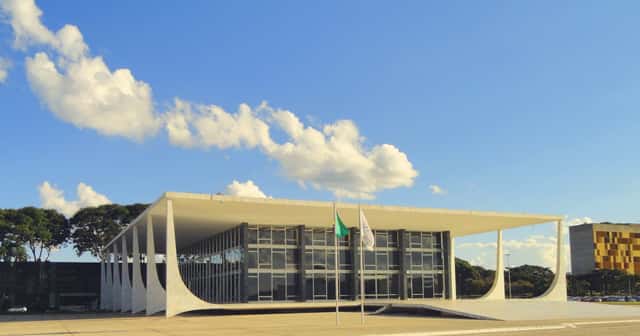
Brazil's Supreme Federal Court (STF) closed its most contested investigation on Monday, November 9. Chief Justice Edson Fachin archived Inquiry 4,781, the "fake news inquiry" that Justice Alexandre de Moraes ran for more than seven years. He acted after Prosecutor-General Paulo Gonet told the court the case had run its course. The order stops all new investigative steps immediately. It does not cancel the evidence, the past decisions or the criminal cases that grew out of the probe. The court says those cases number more than 1,600, including the January 8, 2023, riot cases. The fight now moves to 104 linked cases that Fachin will review one by one. It also moves to demands from allies of former president Jair Bolsonaro that the measures taken against them be undone.
What Fachin ordered, and what he left standing#
The STF's official notice says Fachin accepted the Prosecutor-General's position that the "specific object" of the investigation had been exhausted. In the 31-page decision published by Conjur, Fachin wrote that the 2020 ruling upholding the inquiry "does not authorize the indefinite perpetuation of the procedure." He based the closing on the Constitution's promise of a reasonable length of proceedings.
The operative orders are narrow and specific. New investigative steps in Inquiry 4,781 end on publication, apart from the clerical work needed to sort and forward files. Criminal cases in which a judge has already accepted charges go on in their own courts. The decision says the closing is not, by itself, grounds to annul anything done in them. Related cases will be examined one at a time. They may go on only if they have "their own determined object." The case could also be reopened if new evidence appears, under the normal rule for archived inquiries.
Fachin also kept the file sealed for now. According to the STF notice, secrecy will be lifted only after court staff separate documents containing bank, tax and telephone records and other personal data. Agência Brasil reported the same sequence: closure now, publication of the file later.
The language of the decision#
Fachin paired his conclusion with a defense of the inquiry's history. "An investigation that, after more than seven years, remains open to the addition of subsequent facts and proceedings moves away from its preparatory nature," he wrote, as quoted by O Globo. "The question, therefore, is not about its origin but about its permanence."
He also wrote that the closing "does not erase its history." Nor, he said, does it deny "the relevance it had for the protection of this Court and of the constitutional order," as quoted by CartaCapital and UOL. His summary line was blunt: "Investigations, precisely because they are instrumental, must come to an end."
Gonet's opinion, which remains under seal, was quoted in part by CartaCapital. Gonet defended the probe as a response to "threats directed at the justices and their families" and to paid mass disinformation and calls to close the court. He said its length matched "the succession of threats" seen over seven years. He also said no further evidence could now be reasonably expected.
How a court-initiated probe became a seven-year file#
The inquiry's scale explains why its end matters. Then-Chief Justice Dias Toffoli opened it on his own on March 14, 2019. He cited a court rule on crimes committed "at the seat or premises of the Court." He named Moraes as rapporteur without the usual random draw. UOL notes that the Prosecutor-General at the time, Raquel Dodge, objected within weeks. She said prosecutors, not a court that was also the alleged victim, should lead the work. She asked for it to be closed; Moraes refused.
In June 2020 the STF plenary upheld the inquiry 10 to 1 in ADPF 572, a challenge brought by the Rede Sustentabilidade party. Fachin was the rapporteur of that case. According to Folha de S.Paulo, he voted to uphold it but wanted limits. He said it should cover only real risks to judicial independence. Lone personal opinions should not be targets unless tied to paid mass disinformation, and journalism should stay out. That last point referred to Moraes's 2019 order removing a Crusoé magazine report about Toffoli, an order that was later reversed.
Over the following years the file expanded. O Globo's explainer lists a May 2020 raid with 29 search warrants against Bolsonaro allies. Targets included blogger Allan dos Santos, businessmen Luciano Hang and Otávio Fakhoury, ex-deputy Roberto Jefferson and lawmakers Bia Kicis and Carla Zambelli. The inquiry also led to the arrest of then-deputy Daniel Silveira over a video attacking justices. At the electoral court's request, it took in Bolsonaro himself over his attacks on electronic voting machines. It became the anchor for other cases sent to Moraes "by prevention" rather than random assignment, including the anti-democratic acts and digital militias inquiries.
- Toffoli opens the inquiry on his own initiative and names Moraes rapporteur
- Prosecutor-General Raquel Dodge asks for closure; Moraes refuses
- Operation with 29 search warrants against Bolsonaro allies
- STF plenary upholds the inquiry 10 to 1 in ADPF 572
- Latest 180-day extension
- Fachin takes the case from Moraes amid the Banco Master dispute
- Fachin archives eight derived investigations
- Gonet asks for closure; Fachin archives the inquiry
By the time Fachin took it over, the file had grown to 57 volumes, 100 annexes and more than 1,300 filings, according to O Globo's reading of the decision. Folha counts at least 12 extensions ordered by Moraes and puts the core file at about 12,000 pages.
The numbers, and why they point in different directions#
Supporters and critics of the inquiry are citing different figures, and both sets come from the record. Fachin's decision emphasizes that evidence gathered in the probe fed more than 1,600 criminal cases. Folha notes that the figure includes the January 8 prosecutions, which were handled in separate proceedings. Folha's own count of outcomes tied to the inquiry's original purpose is far smaller.
Source: Folha de S.Paulo, Nov. 9, 2026
Show the numbers
| Status | Proceedings |
|---|---|
| Archived | 220 |
| Linked proceedings still under review | 104 |
| Sent to lower courts | 11 |
| Charges filed on the original purpose | 8 |
The two readings are not contradictory. One measures how much later prosecution relied on material from the inquiry. The other counts charges that arose directly from its stated purpose: threats and false reports aimed at the court. Published counts of the pending cases also differ slightly. Fachin's decision and most outlets cite 104. UOL refers to 103 other proceedings besides the main inquiry, and Agência Brasil reported 108. The difference appears to reflect what each count includes, and the STF has not published a list.
Why the end came now#
The immediate trigger was a crisis inside the court. O Globo reports that in September, Justice André Mendonça, rapporteur of the Banco Master fraud case, made public messages found on banker Daniel Vorcaro's phone that pointed to contacts with Moraes. Moraes then used the fake news inquiry to request an investigation of Mendonça for alleged abuse of authority and bias in the Master and social security fraud cases. When Mendonça ordered the removal of the Federal Police director-general and Justice Flávio Dino reversed him, Fachin intervened, suspended the conflicting orders and took the inquiry from Moraes. The Master background has been part of earlier 567politics reporting on Flávio Bolsonaro's interview plans and money questions.
Fachin had signaled the outcome for months. UOL reports that in March he told journalists he was discussing the end with Moraes. "The difference between medicine and poison is the dose," he said. In late October he archived eight related cases. They included those of pastor Silas Malafaia, ex-deputy Eduardo Bolsonaro and journalist Guilherme Fiuza. Prosecutors had cited weak evidence or expired time limits. A Folha column by the monitoring firm Palver dates the first removal of Moraes's open proceedings to September 9.
Moraes had not commented publicly on the closing by the time of this report. OsPoderes said it could not locate a statement from him, and 567politics also found none.
The reactions: celebration on the right, near silence on the left#
The loudest response came from the Liberal Party (PL), Bolsonaro's party. OsPoderes reported that Sóstenes Cavalcante, the PL leader in the lower house, praised Fachin and Gonet. But he called the closing the "first step of a long staircase" the court must climb to respect the Constitution again. Deputy and senator-elect Carlos Jordy said the inquiry had been an instrument of "arbitrariness" and persecution of political opponents, including people without the special standing that normally brings a case to the STF. Deputy and senator-elect Carol de Toni criticized its opening by the court itself, its rapporteur chosen without a draw and its lack of a deadline, and said the closing came late.
The Federal Council of the Brazilian Bar Association (OAB) went further than the decision itself. In a note signed by its president, Beto Simonetti, the bar called the closing "correct." It said the case had run for over seven years "without support in law or in the Constitution." It said it had pushed for this all year. It promised to stay "watchful so that procedures of this nature are not opened again." Fachin's decision does not adopt that view of the inquiry's legality; it explicitly treats the 2020 plenary ruling as settled and closes the case on duration grounds.
Voices on the left and in the government were scarce. The Palver column tracked more than 100,000 public messaging-app groups, plus X, Instagram, YouTube, TikTok, Kwai and the press. Covering October 26 to the afternoon of November 9, it found little overall attention. In that small conversation, the right made up 72% of opinions in messaging apps and 64% on X. The left and the government made up 2% in messaging apps and on Instagram, and 7% on X. The reading that the closing leaves coup plotters unpunished never exceeded 7% of opinions on any platform. These are measures of online content selected by one firm's method, not a representative survey of Brazilians, and 567politics found no representative poll on the closing itself. Left-leaning outlets such as Revista Fórum reported the decision while emphasizing that derived cases and convictions are preserved.
What happens to convictions, passports and accounts#
The main demand from the inquiry's critics, according to Palver's tally, is annulment: the return of passports, unfrozen accounts and restored social media profiles, and the release of prisoners. Among online opinions that asked for anything beyond the closing, such requests made up 72% in messaging apps and 68% on Instagram.
Legal specialists consulted by UOL said the decision does not produce that result on its own. Criminal lawyer Juarez da Silva said that once charges are accepted, a prosecution proceeds with its own record, so a later closing of the parent inquiry does not undo it. Diego Rodrigo Serafim said annulment would require showing a specific illegality, such as unlawfully obtained evidence or a violation of defense rights, case by case. Luís Eduardo Colavolpe said new steps in the inquiry are now impossible but cases already under way continue.
OsPoderes, summarizing the decision, adds that precautionary measures still in force will be reassessed by the judge responsible for each case. That is where the political demand for reversal will meet its legal test: in individual motions, not in a blanket order.
An argument that reads more into the decision than it says#
Some critics treat the closing as proof that the inquiry was illegal from the start. De Toni, for instance, said it "confirms" that no one may be persecuted for expressing an opinion. That inference goes beyond the text. Fachin states that he is not reviewing the inquiry's constitutionality, which the plenary upheld, and that he is making "no general declaration" on the lawfulness of the evidence gathered. A procedure can end because it has run too long without that end establishing that every earlier act was improper. The reverse inference is also unsupported: the court's claim that the probe exposed "criminal practices of organizations with strong digital activity" does not settle complaints about its secrecy and scope. Defense lawyers can still fight those case by case.
What to watch#
Three things will determine whether Monday's decision is a closing or a new beginning. The first is the review of the 104 linked proceedings, which will show whether investigations touching Bolsonaro allies continue under other rapporteurs. The second is the unsealing of the file once personal data is removed, which will allow outside scrutiny of orders that have been secret since 2019. The third is the STF's internal crisis: O Globo reports that the court still awaits a Federal Police report on mentions of justices in Vorcaro's phone. Any decision on investigating them is not expected before next year.
The politics are also shifting. Lula begins his new term facing a Congress that 567politics has described as the smallest governing core since Collor. The PL is now pressing the STF to go further. The closing removes one of the opposition's long-running grievances, but, as Cavalcante's "staircase" remark makes clear, it does not end the dispute over how far the court went in defending itself.
Differing perspectives
Now that Brazil's fake news inquiry is closed, should the measures taken under it stand or be reviewed for annulment?
Each position is summarized as its supporters make it, with equal weight and in alphabetical order. A summary is not an endorsement; the evidence for each is weighed in the story above.
Annul its measures and repair those targeted
Who holds it: Liberal Party (PL) lawmakers including Sóstenes Cavalcante, Carlos Jordy and Carol de Toni
PL lawmakers argue that the inquiry was opened by the court itself, assigned without a random draw and kept open without a deadline, and that it was used against political opponents, including people without special standing before the STF. They say the closing came late and is only a first step, and that the court should now end related investigations and undo measures such as blocked accounts and seized passports.
In their words: OsPoderes ↗
Bar open-ended inquiries in future
Who holds it: Federal Council of the Brazilian Bar Association (OAB), led by Beto Simonetti
The bar association argues that the inquiry ran for more than seven years without a basis in law or the Constitution, even though the Supreme Court has an important role in defending democracy. It says no investigation may last indefinitely, keep widening its scope or weaken the right of defense, and it wants assurances that procedures of this kind are not opened again, with crimes investigated within ordinary legal limits and respect for lawyers' prerogatives.
In their words: CNN Brasil (full text of the OAB note) ↗
Close it and keep prior acts valid
Who holds it: STF Chief Justice Edson Fachin and Prosecutor-General Paulo Gonet
Fachin and Gonet argue that the inquiry was a legitimate response to threats against justices and their families, paid mass campaigns against the court and calls to shut it, and that its evidence helped expose organized attacks on democracy. They say an investigation must end once its object is exhausted, but that closing it does not by itself invalidate earlier decisions, evidence or prosecutions, which should continue in their own courts and be challenged only through ordinary case-by-case review.
In their words: Supremo Tribunal Federal ↗
Cite this article
567 Politics staff. “Brazil's Supreme Court shuts Moraes's 7-year fake news inquiry, but the 1,600 cases it fed live on.” 567politics. Published 2026-11-10. https://567politics.com/news/brazil-stf-fachin-archives-fake-news-inquiry-4781-moraes-november-2026
Wikipedia citation
{{cite news |title=Brazil's Supreme Court shuts Moraes's 7-year fake news inquiry, but the 1,600 cases it fed live on |url=https://567politics.com/news/brazil-stf-fachin-archives-fake-news-inquiry-4781-moraes-november-2026 |work=567politics |author=567 Politics staff |date=2026-11-10 |language=en}}CSL-JSON for reference managers
{
  "id": "https://567politics.com/news/brazil-stf-fachin-archives-fake-news-inquiry-4781-moraes-november-2026",
  "type": "article-newspaper",
  "title": "Brazil's Supreme Court shuts Moraes's 7-year fake news inquiry, but the 1,600 cases it fed live on",
  "URL": "https://567politics.com/news/brazil-stf-fachin-archives-fake-news-inquiry-4781-moraes-november-2026",
  "container-title": "567politics",
  "language": "en",
  "author": [
    {
      "literal": "567 Politics staff"
    }
  ],
  "issued": {
    "date-parts": [
      [
        2026,
        11,
        10
      ]
    ]
  }
}Citations identify this article and its publication date. Assess the reporting and its linked sources before using it as evidence.
Read this article as Markdown or JSON. Cite the original page and retain its sources, dates and qualifications.
Embed this article summary
Paste this HTML into your page. The summary stays linked to the full story and updates with it. No account required.
<iframe src="https://567politics.com/embed/news/brazil-stf-fachin-archives-fake-news-inquiry-4781-moraes-november-2026?theme=auto" title="Brazil's Supreme Court shuts Moraes's 7-year fake news inquiry, but the 1,600 cases it fed live on by 567politics" width="100%" height="440" style="border:0;max-width:100%" loading="lazy"></iframe>
<p style="font-size:14px">Brazil's Supreme Court shuts Moraes's 7-year fake news inquiry, but the 1,600 cases it fed live on by <a href="https://567politics.com/news/brazil-stf-fachin-archives-fake-news-inquiry-4781-moraes-november-2026" rel="nofollow">567politics</a></p>
<script async src="https://567politics.com/embed.js"></script>
READ BEYOND 567POLITICS
Alternate sources & perspectives
Independent coverage and primary evidence to help you compare arguments. A link is not an endorsement; perspective labels describe the linked material.
- primary evidence
Presidente do STF arquiva inquérito das fake news (Inquérito 4781) ↗
Supremo Tribunal Federal
The court's official summary of the Nov. 9 decision: grounds, immediate effects, preservation of prior acts and the plan to lift secrecy after sensitive data is removed.
- independent analysis
Fachin determina fim do inquérito das fake news após sete anos ↗
O Globo
Detailed account with direct quotes from Fachin and Gonet, the 104 linked proceedings and the Banco Master dispute that preceded the closing.
- independent analysis
Entenda o inquérito das fake news e relembre pedidos de investigação em sete anos ↗
O Globo
Explainer on the inquiry's history: the 2019 opening, the 2020 operation against Bolsonaro allies, the Silveira arrest and the file's size.
- independent analysis
Fachin encerra inquérito das fake news no STF após mais de 7 anos de tramitação ↗
Folha de S.Paulo
Recounts Fachin's 2020 vote as rapporteur of ADPF 572 and gives Folha's count of 8 charges, 220 archivings and 11 cases sent to lower courts.
- independent analysis
Debate sobre fim do inquérito das fake news mobiliza pouco e vira assunto apenas da direita ↗
Folha de S.Paulo (Palver column)
Social and messaging-app monitoring from Oct. 26 to Nov. 9 showing the conversation was small and dominated by the right; a content measure, not a poll.
- right argument
Bolsonaristas celebram fim do inquérito das fake news e cobram mais do STF ↗
OsPoderes
Statements from PL lawmakers Sóstenes Cavalcante, Carlos Jordy and Carol de Toni calling for further steps and criticizing the inquiry's origin and use.
- other perspective
Conselho Federal da OAB considera decisão de Fachin "acertada" ↗
CNN Brasil
Full text of the bar association's note arguing the inquiry lacked a legal basis and that similar procedures should not be opened again.
- independent analysis
Inquérito das fake news: o que acontece após arquivamento de Fachin ↗
UOL
Criminal lawyers explain why the closing does not automatically annul convictions or evidence and what a defense would have to show.
- independent analysis
Fachin arquiva inquérito das fake news, relatado por Moraes durante 7 anos ↗
UOL
Background on Raquel Dodge's 2019 objection, Fachin's March remark on 'medicine and poison' and the inquiry's later branches.
- other perspective
Fachin manda arquivar Inquérito das Fake News após 7 anos de tramitação ↗
CartaCapital
Report from a left-leaning magazine quoting the PGR's defense of the inquiry's purpose and length.
- independent analysis
STF: ministro Fachin arquiva inquérito das Fake News ↗
Agência Brasil
Public news agency report; cites 108 proceedings opened over the years, a different count from the 104 in most coverage.
- other perspective
Após sete anos, Fachin determina fim do Inquérito das Fake News no STF ↗
Revista Fórum
Progressive outlet's report emphasizing that derived cases and earlier decisions are preserved.
Reviewed 2026-11-10. Hand-picked from pages opened on Nov. 10, 2026; the discover_politics_sources tool returned only unrelated search-engine and retail pages. The full decision (31 pages, published by Conjur) and the PGR opinion are cited in the body; the PGR opinion itself remains sealed. No public statement from Justice Alexandre de Moraes was found. A Workers' Party (PT) page on the inquiry could not be opened (blocked), and no substantive left-wing or government argument specifically about the closing was located; the closest defense of the inquiry's record comes from the decision and the PGR. No representative poll on the closing was found; the Palver column measures online content only.