Ghana's Speaker vows to name anyone who obstructs the anti-LGBTQ+ bill as Parliament resumes
Speaker Alban Bagbin wants the House to reopen its May vote and pass a corrected bill within about 28 sitting days. Both main parties back the bill but disagree over its exemptions.
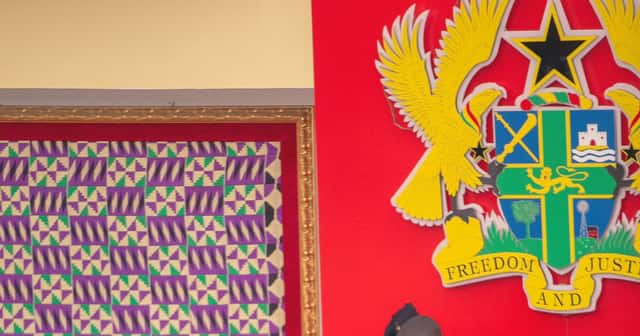
Ghana's Parliament came back from its recess on Tuesday, Nov. 3, and the first big signal of the new meeting was about the anti-LGBTQ+ bill. Speaker Alban Bagbin told the House he would publicly name any person who tries to block the bill's passage. He said he wants the House to reopen its May vote and finish the bill during this meeting, which runs for about 28 sitting days before the Christmas break.
The bill is not law. Parliament passed a version on May 29, 2026, but it was never sent to President John Mahama for his signature. The Speaker says the text has errors that must be fixed first. On the same day, the Majority Leader promised that the President will sign it, and the Minority Leader warned against what he called a "watered-down version." Rights groups still urge lawmakers to reject it.
This story sets out what was said on Nov. 3, how the procedure is supposed to work, where the two main parties agree and differ, and what remains unknown. It follows our Oct. 23 report on the Speaker's plan for a second consideration of the bill, which explains the bill's history and its main provisions in more detail.
What the Speaker said on Nov. 3
Bagbin spoke as the House resumed for the Third Meeting of the Second Session of the Ninth Parliament. According to MyJoyOnline's report of his remarks, he said: "I remain committed within the applicable rules and procedures of the House to ensure that the House proceeds with the motion to rescind its earlier decision at the third reading of the bill and to have a second consideration stage of the bill with a view to concluding its processing and securing its passage during this meeting."
He then addressed members who might try to slow the process. "I will assure you that I will mention names, names of any person who tries to obstruct the legitimate processes to see this bill through. That I leave to your conscience," he said, as MyJoyOnline quoted him.
The Speaker did not say who he expects to obstruct the bill. He did not name any member on Tuesday. He also did not list the errors he wants fixed. In October he said that most of the problems were in "last-minute amendments" made during the May debate.
How the procedure works
The bill's full name is the Human Sexual Rights and Family Values Bill, 2025. Most Ghanaian outlets call it the anti-LGBTQ+ bill, and the government side often calls it the Family Values Bill.
A bill in Ghana's Parliament passes through readings and a consideration stage, where members debate and amend it clause by clause. The third reading is the final vote. Bagbin's plan has two steps. First, the House would adopt a motion to rescind, or cancel, its May decision at the third reading. Second, it would hold a "second consideration stage," where members can change specific clauses before voting again.
MyJoyOnline noted one limit on the Speaker's role: he cannot move the rescission motion himself. A member of Parliament has to bring it. As of Tuesday afternoon in Accra, no report reviewed for this story said that a member had filed or moved such a motion.
There is also a dispute about whether this step is needed at all. Graphic Online reported on Nov. 3 that Majority members "have argued that there is nothing to reintroduce because the House has already passed the bill, which awaits Presidential assent." Graphic also noted that Bagbin had promised the bill would pass before the end of the last meeting, but it was never taken up, and the House adjourned on July 31. Our October report covered a related argument from June, when the Speaker rejected the view that Parliament's power over the bill was spent once it had voted.
What the Majority Leader said
Majority Leader James Agalga of the governing National Democratic Congress (NDC) set out the meeting's agenda at a press briefing before the sitting. MyJoyOnline reported that he listed the 2027 budget, a set of constitutional amendment bills and the anti-LGBTQ+ bill as priorities.
"That bill would be dealt with once and for all. And I want to assure you, the President will sign the bill into law in due course," Agalga said. He also said: "Nobody, and let me repeat, is seeking to change fundamentally any bill which has previously been dealt with by this august house." At the same time, MyJoyOnline reported, he said Parliament would make changes where needed to keep human rights and constitutional provisions aligned.
That pledge matches what Mahama has said before. In November 2025 he told Christian leaders that he would sign the bill if Parliament passed it. In June 2026 he said the Attorney-General and his legal advisers would examine it because it was a private members' bill, not a government bill. Our earlier story has the sources for both statements.
The budget may compete for time. Agalga said the Finance Minister is expected to present the 2027 budget on Nov. 12, after which the House will consider the Appropriation Bill.
What the Minority Leader said
The Minority, led by the New Patriotic Party (NPP), also backs the bill, but it fears changes to the text. At a leaders' media briefing on Nov. 3, Minority Leader Alexander Afenyo-Markin urged the President to sign the bill without changes to its original provisions, GhanaWeb reported.
"We, the Minority, will want to secure two things: that citizens' rights are protected and that the original bill, that the NDC promised and passed in opposition, should be the same bill that must be signed by President John Dramani Mahama," he said. He added: "We don't want any late amendments carved out or delayed to water it down. Every member must vote on the actual text. Rights must be protected by precise drafting, consistent with the 1992 Constitution. Blanket exemptions are not safeguards, they are a dilution."
His reference is to the exemptions added in May. Those cover professionals such as lawyers, health workers and journalists when they act in the ordinary course of their work. The bill's lead sponsor, Assin South MP Rev. John Ntim Fordjour, also opposed those exemptions in May. Then-Majority Leader Mahama Ayariga defended them as narrow limits that protect free expression and professional work.
Where the two parties agree and differ
On the core question, the two main parties now sit on the same side. Both leaders say they want the bill passed, and the Majority says the President will sign it. The debate in the House is about the text and the process, not about whether the bill should exist.
| Actor | Role | Stated position on Nov. 3 |
|---|---|---|
| Alban Bagbin | Speaker | Rescind May vote, fix errors, pass it this meeting |
| James Agalga | Majority Leader (NDC) | Deal with it "once and for all"; President will sign |
| Alexander Afenyo-Markin | Minority Leader (NPP) | Sign the original text; no "blanket exemptions" |
The differences matter for the final law. If the House reopens the bill, members could keep, narrow or remove the professional exemptions. They could also change sentencing provisions, which Graphic Online said the meeting would test. The Minority says the exemptions dilute the bill. The Majority has said it does not plan to change the bill "fundamentally" but will align it with rights and the Constitution. Neither side has published a list of the clauses it wants to change.
The parties also argue about consistency. Afenyo-Markin says the NDC, when in opposition, urged then-President Nana Akufo-Addo to sign the 2024 version. He argues the NDC should hold to that text now. The NDC's leaders did not respond to that point in the reports reviewed.
What critics of the bill say
Rights groups in Ghana and abroad oppose the bill in any of its current forms. In May, Amnesty International Ghana called on members to reject it and urged Mahama not to sign it, according to 3News. Its board chair, Francis Nyantakyi, said the bill threatens constitutional freedoms and could expose people perceived to be LGBTQ+ to discrimination, attacks and intimidation. "Amnesty International condemns systematic attacks by both state and non-state actors against persons based on perceived sexual orientation or gender identity," he said. He also said the group does not promote LGBTQ+ activities but seeks to protect the rights of all people under Article 21 of the 1992 Constitution.
Human Rights Watch sent lawmakers a written memorandum in March that argues the bill would breach Ghana's constitutional and international rights duties. The International Bar Association's Human Rights Institute made similar arguments in July, as our October story reported.
Critics have not issued a new public statement in response to Bagbin's Nov. 3 remarks that this story could find. That gap may reflect timing, since the remarks came on Tuesday afternoon in Accra.
What supporters of the bill say
Supporters include most members of both main parties and many religious and traditional leaders. The Ghana News Agency lists the Catholic Bishops' Conference, the Christian Council, Pentecostal and Charismatic groups and some Islamic groups among them. They argue the bill protects Ghanaian cultural, religious and family values. They say Ghana's existing law, Section 104 of the 1960 Criminal Offences Act, punishes "unnatural carnal knowledge" but does not reach advocacy, funding or public campaigns, which the bill would cover. Some supporters also say Ghana should resist foreign pressure to accept LGBTQ+ rights, the agency reported.
Within the supporting camp, the split is about how strict the final text should be. The Minority and Fordjour want the 2024 terms without broad exemptions. The Speaker wants a corrected text passed by consensus. The Majority wants it passed and signed but has left room for changes on rights grounds.
Reading the Speaker's warning
Bagbin's warning to "mention names" drew attention because it targets the process itself. His supporters can read it as a warning against delay tactics, given that the bill was not taken up in the last meeting despite his promise. Critics of the bill could read it as pressure on members who have doubts. The Speaker did not say which conduct he would count as obstruction, so both readings remain possible. He did say he would act "within the applicable rules and procedures of the House."
His statement also puts him at odds with Majority members who argued that nothing needs to be redone. If those members resist a rescission motion, the Speaker's warning could apply to the governing side, not only the opposition. No report reviewed shows that this has happened.
Ghana in a wider context
Ghana's debate is one of several legislative fights over sexuality and gender law this autumn. In Nigeria, the Senate leader this week revived a plan for seats reserved for women in the legislature. In Australia, Tasmania's lower house voted to ban conversion practices. In Britain, a joint committee of Parliament heard evidence on a draft conversion practices bill. The legal systems and questions differ in each place.
What is still unknown
Several facts remain open as of Nov. 3:
- The motion. No member has been reported to move the rescission motion yet, and the order of business had not been announced when Graphic Online published.
- The errors. The Speaker has not listed which clauses contain mistakes.
- The exemptions. No party has said in writing whether the May exemptions will stay, shrink or go.
- The timing. The House has about 28 sitting days, and the budget arrives on Nov. 12.
- The courts. The 2024 version faced Supreme Court challenges. This story found no report of a new court case against the 2026 version.
- Public opinion. This story did not find a recent nationally representative poll on the bill. It does not draw conclusions about public views from social media.
The deciding documents will be the text the House approves, if it votes again, and the President's decision on it. Our methodology page explains how we source and label claims.
Differing perspectives
How should Ghana's Parliament handle the Human Sexual Rights and Family Values Bill in its current meeting?
Each position is summarized as its supporters make it, with equal weight and in alphabetical order. A summary is not an endorsement; the evidence for each is weighed in the story above.
Finish it this meeting, aligned with rights
Who holds it: Majority Leader James Agalga and the governing NDC caucus
Agalga says the bill will be "dealt with once and for all" in this meeting and that President Mahama will sign it into law in due course. He says no one is seeking to change fundamentally any bill the House has already handled, but that Parliament will make changes where needed so the bill's human rights and constitutional provisions are properly aligned, alongside the 2027 budget and other business.
In their words: MyJoyOnline ↗
Reject the bill and withhold assent
Who holds it: Amnesty International Ghana and other human rights groups
Amnesty International Ghana calls on members of Parliament to reject the bill and on the President not to sign it. Its board chair says the bill threatens constitutional freedoms and could expose people perceived to be LGBTQ+ to discrimination, attacks and intimidation. The group says it does not promote LGBTQ+ activities but seeks to protect the rights every person holds under Article 21 of the 1992 Constitution.
In their words: 3News ↗
Reopen the May vote, fix errors and pass it
Who holds it: Speaker Alban Bagbin
Bagbin says the version passed on May 29 contains errors, mostly from last-minute amendments, and should be corrected before it goes to the President. He wants the House to adopt a motion rescinding its third-reading decision and hold a second consideration stage, acting within the House's rules, so the bill can be completed and passed during this meeting. He has warned that he will name anyone who tries to obstruct that process.
In their words: MyJoyOnline ↗
Sign the original text without exemptions
Who holds it: Minority Leader Alexander Afenyo-Markin and the NPP caucus
Afenyo-Markin says the bill the NDC backed in opposition should be the same bill Mahama signs. He argues that late amendments or delays would water it down, that every member should vote on the actual text, and that rights should be protected by precise drafting consistent with the 1992 Constitution. In his words, blanket exemptions are not safeguards but a dilution of the bill.
In their words: GhanaWeb ↗
READ BEYOND 567POLITICS
Alternate sources & perspectives
Independent coverage and primary evidence to help you compare arguments. A link is not an endorsement; perspective labels describe the linked material.
- primary evidence
I will name and shame anyone who obstructs the passage of the anti-LGBTQ+ bill - Bagbin vows ↗
MyJoyOnline
Speaker Bagbin's Nov. 3 remarks in the House, quoted at length, including the rescission motion and second consideration plan.
- other perspective
Parliament to tackle 2027 Budget, constitutional amendments and anti-LGBTQ+ Bill in 28 sitting days ↗
MyJoyOnline
Governing-party Majority Leader James Agalga's Nov. 3 briefing: the bill will be dealt with 'once and for all' and the President will sign it.
- independent analysis
Majority Leader Assures President Mahama Will Sign Anti-LGBT Bill ↗
The Vaultz News
Second, independent account of Agalga's briefing, with background on the May exemptions dispute.
- right argument
LGBTQ+ Bill: 'We don't want a watered-down version' - Afenyo-Markin tells Mahama ↗
GhanaWeb
Minority Leader's Nov. 3 case for signing the original, stricter text without blanket exemptions.
- independent analysis
Parliament resumes today: Anti-LGBTQ+, South Africa evacuation, narcotics seizures top agenda ↗
Graphic Online
Agenda preview noting that some Majority members argue the bill needs no reintroduction because it already passed.
- independent analysis
The Anti-LGBTQ+ Bill - Ghana's most divisive law in a decade ↗
Ghana News Agency
State news agency explainer on the bill's provisions, history, supporters, critics and the May exemptions.
- left argument
Amnesty International reiterates opposition to Anti-LGBTQ+ Bill in its current form ↗
3News
Amnesty International Ghana's call to reject the bill and withhold assent, on constitutional rights grounds.
- left argument
Written Memorandum on the Ghanaian Human Sexual Rights and Family Values Bill ↗
Human Rights Watch
Rights group's memorandum to lawmakers arguing the bill breaches constitutional and international obligations.
Reviewed 2026-11-03. The discovery search returned only generic Ghana pages (encyclopedias, government portal, visa site), so 567 Politics staff found and opened these sources directly. Left and right labels are approximate: both of Ghana's main parties back the bill, so the governing caucus's position is labeled other perspective. Parliament's Hansard for Nov. 3 and the current bill text were not available online at publication. No new statement from LGBTQ+ advocacy groups or rights organizations responding to the Nov. 3 remarks was found, and no recent nationally representative poll on the bill was located.